

Investing in Wetlands is Smart Policy Action
Large tracts of wetlands are typically the focus of habitat conservation and land stewardship organizations and funders.
This section examines how and why small, urban tracts are also critical in creating and fostering climate resilient communities.
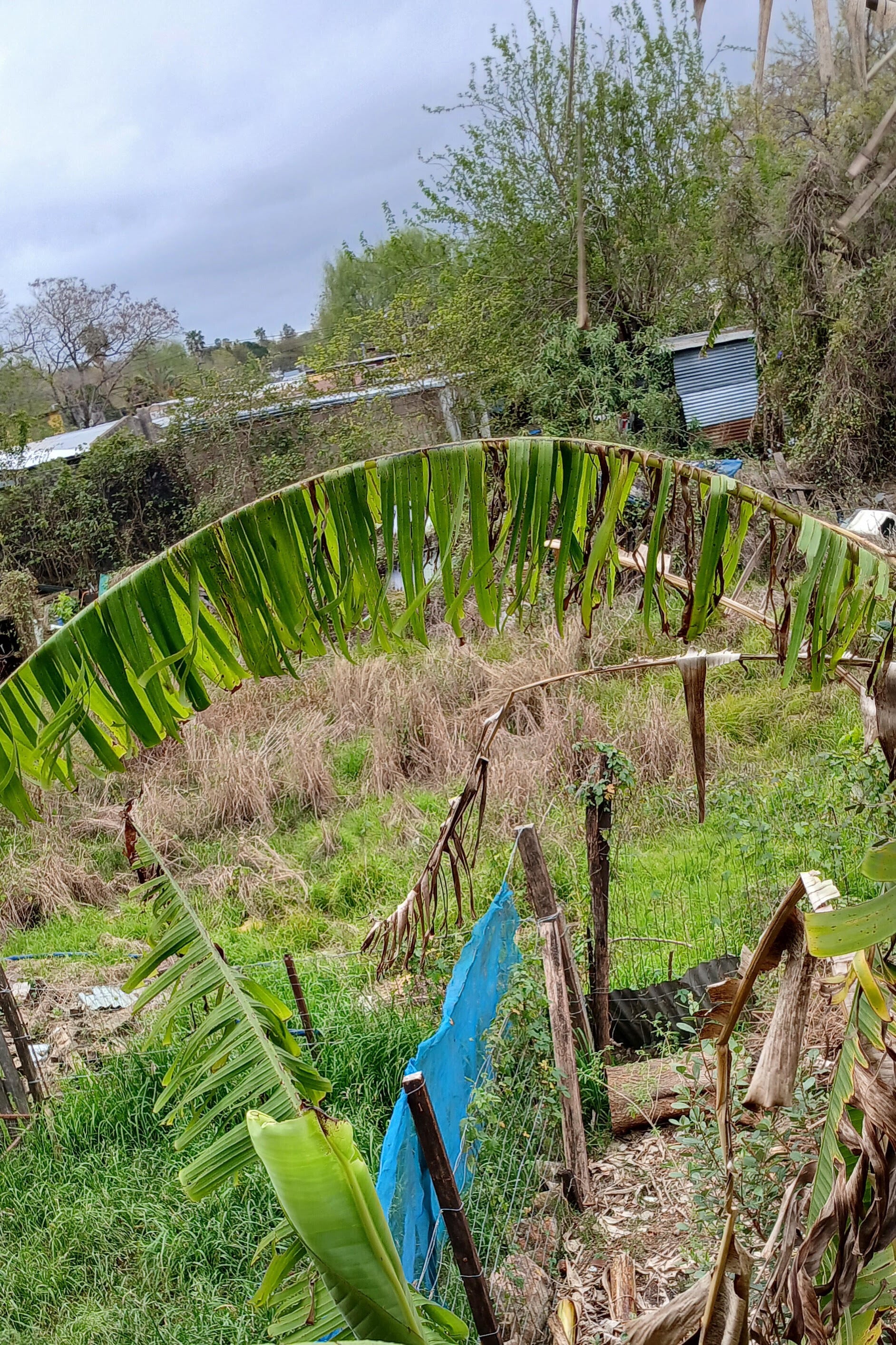
Humedales Bilbao, Salto, Uruguay
The Humedales Bilbao (Bilbao Wetlands) project will serve as a case study in urban wetlands rehabilitation and protection. This project began as an idea in June 2026 and is now garnering community and municipal support (October 2026). The goal is to purchase and put into permanent conservatorship a site composed of several flood damaged lots and to improve two adjacent sites owned by the City to benefit residents and businesses in Barrio Solari, Salto, Uruguay.
“Urban wetlands are among the most undervalued ecosystems in our cities. These water-rich environments – from natural marshes tucked between buildings to constructed ponds in urban parks – deliver essential services that directly support both human communities and wildlife.” ~ Environmental Studies Institute
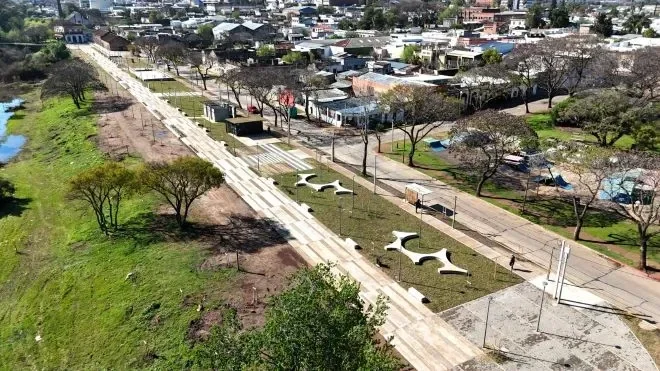
Arroyo Sauzal, Salto, Uruguay
Prior to understanding the value of wetlands, the city of Salto permitted residential development in several locations in wetlands resulting in the flooding of homes, businesses, and streets. Portions of Arroyo Sauzal have since received attention and improvements to protect the surrounding community from flooding.
24 July 2024 “Intendencia de Salto presentó proyecto del Parque Sauzal”
“Inauguración del Parque Sauzal y presentación de la recuperación del Muelle Negro.”
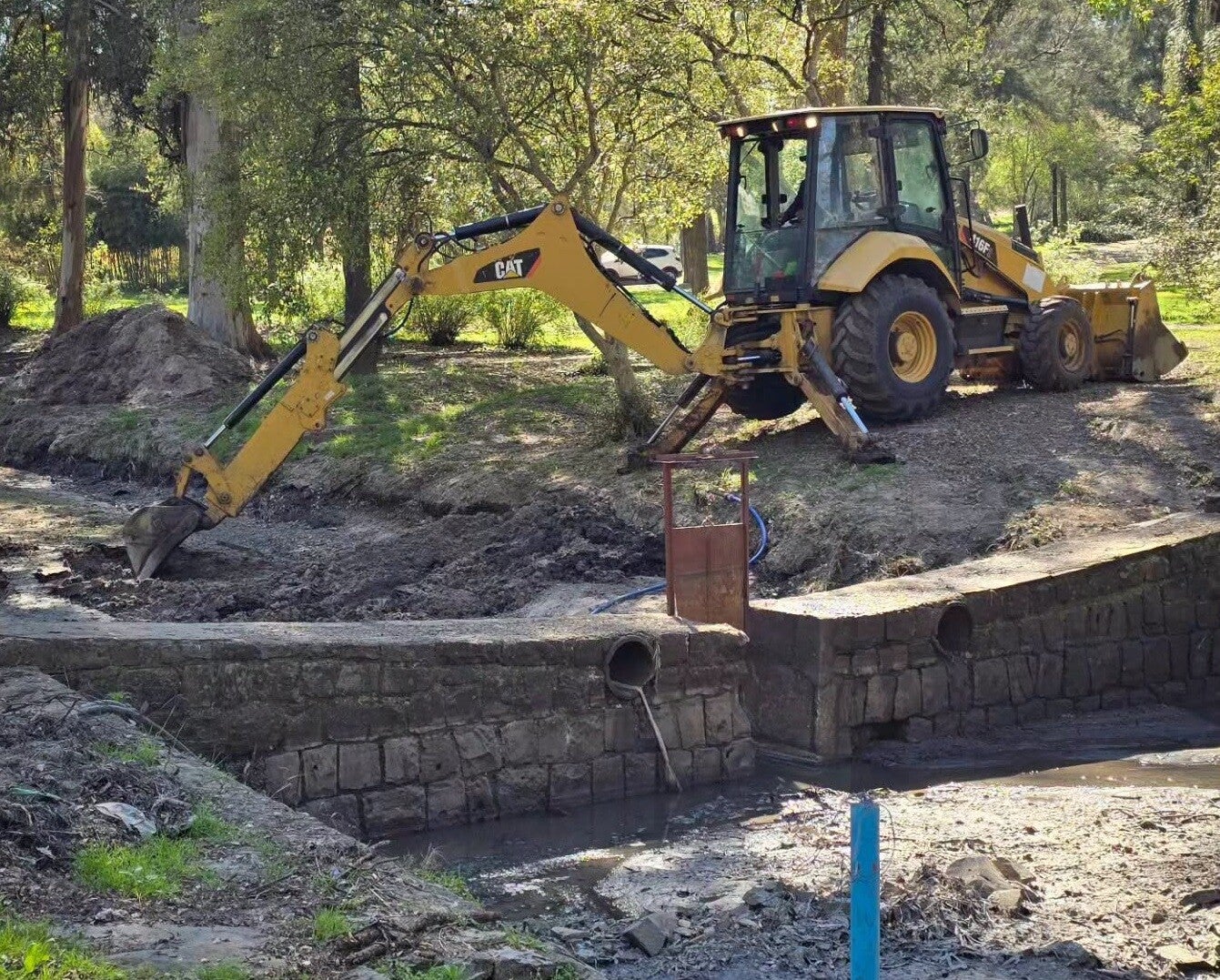
Parque Benito Solari, Salto, Uruguay
Since consultations with the City Environment Environment department began, improvements to the portion of the Sauzal located in Parque Solari above the Humedales Bilbao project have commenced.
17 September 2026 "Cleaning of the Sauzal, at Parque Solari and the entire basin"
18 September 2026 “Continúan los trabajos de limpieza del arroyo Sauzal en Parque Solari”
"The Convention on Wetlands describes urban wetlands as important natural infrastructure and notes their role in flood regulation, water quality, biodiversity and climate moderation" ~ Odisha Climate Action
Investments in Wetlands
Presentation of “five cases from around the world to demonstrate how the collaborative efforts of local and regional governments are making a nature-positive future a reality.” https://sdglocalaction.org/nature-positive-strategies
- The Conexão Mata Atlântica project is a joint initiative by the states of Rio de Janeiro, São Paulo, and Minas Gerais, along with the Federal Government of Brazil through the Ministry of Science, Technology and Innovation.
- Durban adopted city-level strategies, including the “Climate Change Strategy” in 2022, the “Climate Action Plan” in 2019, and the “Biodiversity Strategy and Action Plan”. These strategies outlined the city’s determination to reduce carbon emissions, avoid biodiversity loss, and preserve ecosystem conditions and status while encouraging economic development. A decentralized approach is implemented, where municipal departments share the responsibility to implement projects on climate change.
- The city of Kigali, Rwanda, experienced natural habitat loss due to rapid urbanization, with wetland areas declining from 100 square kilometers in 2013 to 72 in 2019. The Second Rwanda Urban Development Project (RUDP II) aims to restore wetlands as infrastructure, public commons, and economic platforms.
- The City of Cape Town, South Africa, builds a strong investment case for nature-based infrastructure to restore its rivers and wetlands. Urban growth, pollution, and climate stress have closed the waterways in Cape Town, weakening their natural defense against floods.
- The Beijing-Tianjing-Hebei region (Jing-Jin-Ji region) is a national-level urban agglomeration where the Beijing Municipal People’s Government, the Tianjing Municipal People’s Government, and the People’s Government of Hebei Province synergize regional development, economic growth, and biodiversity conservation. With better coordination, the region supports biodiversity-sensitive urban planning.


Lessons Learned
“Drawing insights from the five cases in the article, the following lessons are highlighted.
- Nature-positive strategies often require cross-border effort and localized actions. As illustrated by the Conexão Mata Atlântica project in Brazil and the Beijing-Tianjin-Hebei region, natural habitats are rarely constrained by administrative boundaries, making collaboration critical. Each municipality can, however, determine its local goals and actions based on its unique context, like what Brazilian states have done.
- Linking nature-positivity to community, economic, and social benefits can facilitate project implementation. The cases in Brazil, Kigali, and Cape Town demonstrate that co-benefits can secure crucial support and investment.
- Data collection and geospatial mapping can lay a strong foundation for nature-positive strategies. In Durban and the Beijing-Tianjin-Hebei region, clear documentation and visualization of biodiversity data facilitate environmentally sensitive decision-making.”