The Proposal
Vision
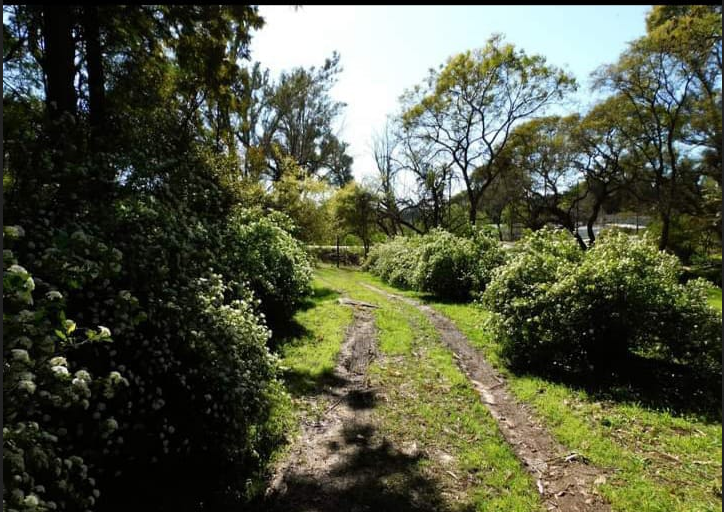
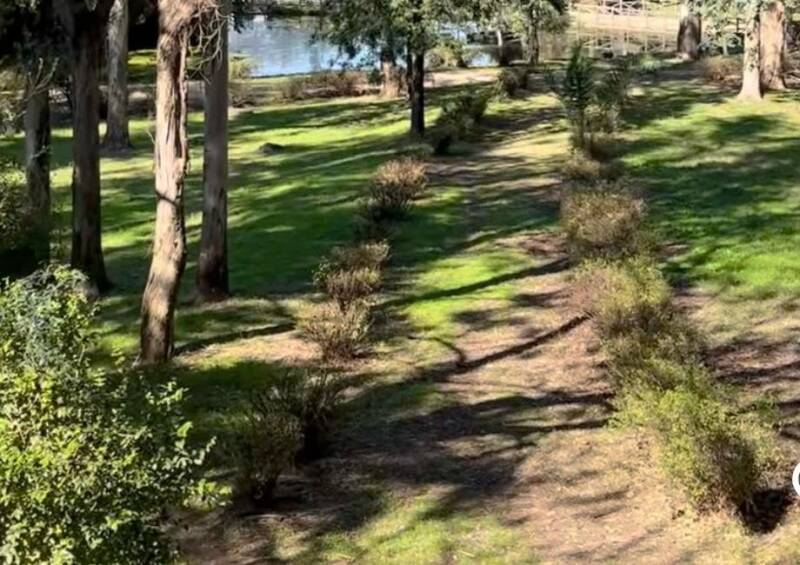
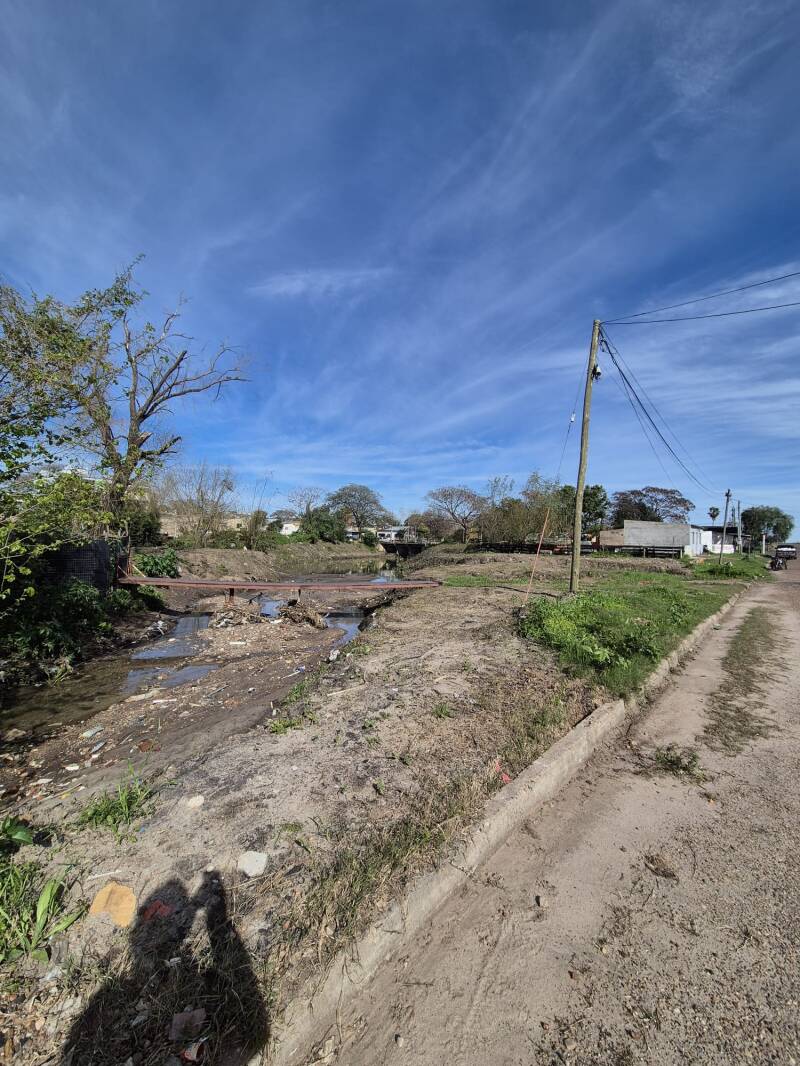
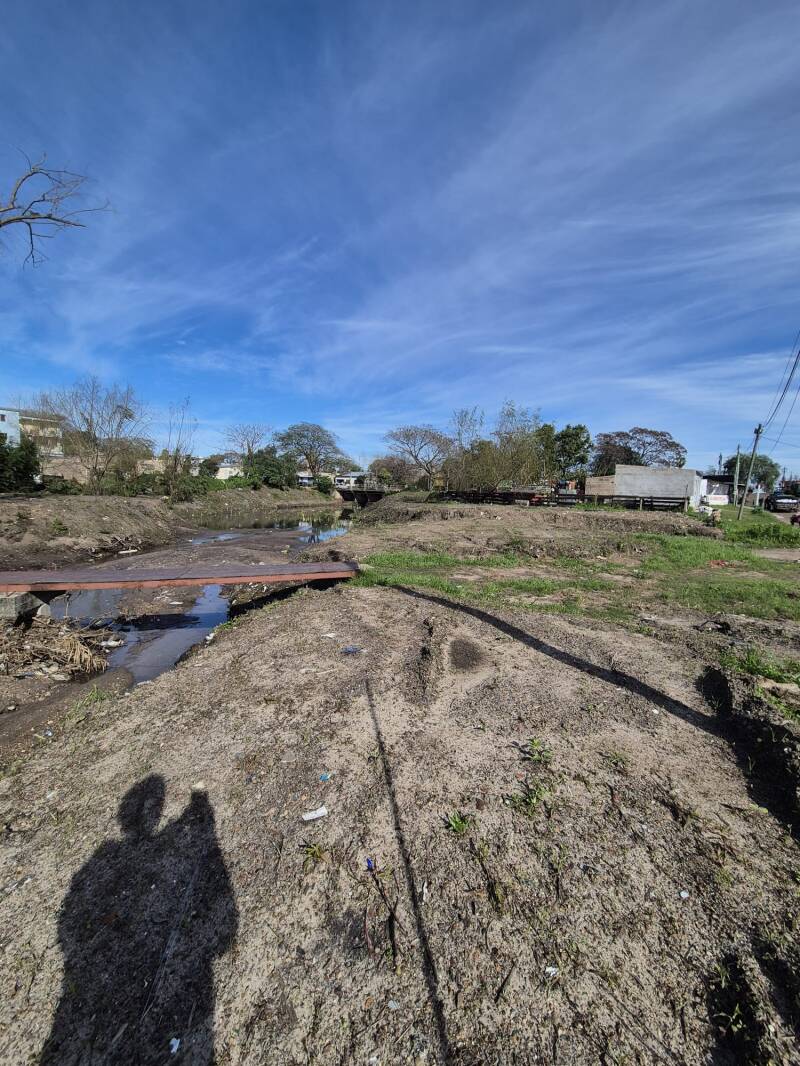
In the end, the project site will support a variety of plant and tree specimens, prevent flooding of adjacent streets and houses, provide jobs and food for sale and donation, and generate renewable energy electricity to support site activities and electrify surrounding homes. Photos and videos below.
Challenges
There are are two primary challenges that require particular attention in order for this proposal to gain traction and succeed:
- Ownership of the land
- Capacity building
Current ownership lies with an individual who prefers to sell his properties rather than place the most important lot in conservatorship.
In Salto there are few people educated and experienced in land stewardship, permaculture techniques, and sustainable / climate resilient building design and construction.
Because the original plan was to implement projects on one parcel, preparing for and deploying a larger, more complex plan will require more time and access to more expert input.
Building capacity will require access to experts to train, supervise, manage, and evaluate participants in order to identify future leadership teams.
Methodology
Plan Development: Identify and coordinate with individuals and organizations interested in supporting the project.
Information Collection: Research location history, flora and fauna; identify and engage experts in relevant avocations, document findings.
Team Formation: Outreach to relevant organizations to recruit experienced persons for key positions.
Project Design: Using Permaculture principles, techniques, and practices, produce site engineering specifications and implementation plan.
Program Development: Based on community input, resources, and leadership capacity, create project activities to fulfill agreed upon goals.
Community Engagement: Outreach through surveying residents in Barrio Solari and potential supporters/participants in Salto; advertise in local print and radio media; produce and distribute audio-visual reports for the launch of the project and to document subsequent progress with the goal of recruiting volunteers.
Implementation: Produce project timeline and benchmarks and engage leadership team to manage activities.
Accountability: Follow through on funder and government required reporting.
Phases
- July 2026 - January 2027: Project concept development, outreach, recruitment, grant application submissions.
- January 2027 - April 2027: Secure agreements including property disposition, formalize team leadership, conduct training, commence work, inform on progress to stakeholders.
- May 2027 - December 2027: Perform work, identify challenges and solutions, review individual progress of team members and volunteers,provide additional training as needed, plan and host end of year celebration, survey participants and community, review and revise activity plans as needed, inform on progress to stakeholders.
- January 2028 - December 2028: Continue with project activities,recruitment, training, individual progress reviews, identifying challenges and solutions, plan and host year end celebration, survey participants and community, inform on progress to stakeholders.
- January 2029 - December 2030: Continue with project activities, recruitment, training, individual progress reviews, identifying challenges and solutions, plan and host year end celebration, survey participants and community, inform on progress to stakeholders. Identify new grant sources as needed for next development phases as needed.
Benchmark Categories
- Grant acquisition, compliance, and reporting.
- Team recruitment, training, and progress.
- Community engagement.
- Site projects’ completion.
- Identifying and overcoming challenges.
- Number of hours of paid and volunteer work performed.
- Quality and quantity of edible produce donated and/or sold.
- Satisfaction of participants, greater community, and funders
- Condition of the site before and after compared, success of flood mitigation efforts.
Appendix
Relevant Uruguay government priorities
Published 4 June 2026 Ministerio de Ambiente Reafirma Su Compromiso Con El Cuidado de Los Recursos Naturales y El Desarrollo Sostenible; Ministerio de Ambiente reafirma su compromiso con el cuidado de los recursos naturales y el desarrollo sostenible. https://www.gub.uy/ministerio-ambiente/comunicacion/noticias/ministerio-ambiente-reafirma-su-compromiso-cuidado-recursos-naturales
Published 12 August 2026 Estrategia Nacional de Desarrollo Impulsa Sostenibilidad Centrada En Ambiente, Equidad y Territorio; Estrategia Nacional de Desarrollo impulsa sostenibilidad centrada en ambiente, equidad y territorio. https://www.gub.uy/presidencia/comunicacion/noticias/estrategia-nacional-desarrollo-impulsa-sostenibilidad-centrada-ambiente
Published 26 January 2026 Communications > News; Energía Limpia: un Pilar Para El Desarrollo Sostenible y El Futuro Energético del País. https://www.gub.uy/ministerio-industria-energia-mineria/comunicacion/noticias/energia-limpia-pilar-para-desarrollo-sostenible-futuro-energetico-del-pais
United Nations environmental priorities
Last updated 24 July 2026 Statements on Climate Action From top leaders around the United Nations https://www.un.org/en/climatechange/speeches
Last updated 19 August 2026 United Nations Development Program: Helping countries reach their climate goals https://climatepromise.undp.org/
Published 4 February 2026 Solutions for a healthy, prosperous and resilient people and planet: the UNEP Medium-term Strategy for 2026–2029 https://www.unep.org/resources/solutions-healthy-prosperous-and-resilient-people-and-planet-unep-medium-term-strategy
Last updated 16 August 2026 United Nations Sustainable Development Goal 13: Climate Action https://www.un.org/sustainabledevelopment/climate-change/
Capacity Building / Partnership Opportunities
Fondo Socio-Ambiental https://www.fondosocioambientaluy.org/en/qué-hacemos (referred to VMIA Uruguay and SNAP @ gub.uy)
Climate & Development Knowledge Network https://cdkn.org/who-we-are in coordination with Futuro LatinoAmerica https://www.ffla.net/en/our-programs/
MESA: Multinational Exchange for Sustainable Agriculture - Connecting a global grassroots network, collaborating with food and farming leaders, and cultivating community food systems https://www.mesaprogram.org/what-we-do
Concept / Data Collection
Version II of the Bilbao Wetlands Project
When the first concept for the wetlands project was conceived, it encompassed one undeveloped lot behind Bilbao 624 in Barrio Solari, Salto, Uruguay. As the concept was developed and meetings occurred, it was discovered that the property owner is not interested in putting the fondo into conservatorship and only wants to sell all of his properties. He owns five or six lots at the location near the proposed wetlands project.
There are flood and weather damaged homes on each lot with the exception of the original, undeveloped, project site. With this new opportunity revealed, the wetlands project concept can be expanded to include more specimens to be planted, additional revenue generating activities to be added, more certainty that renewable energy can be installed, and housing for workers and volunteer participants may be built.
The project concept has transformed from a flood mitigation and food producing proposal to a community resource development, climate resilience, and wetlands conservation demonstration concept.
Additional concept development will need to include:
- Multiple property appraisals
- Property ownership issues
- Additional questions for the community survey to include discovery about community needs (would a commercial wood chipper on site be advised to produce material for composting and to grow edible fungi and efficiently dispose of prunings that the Intendencia normally hauls off site); would it be advisable to create a learning opportunity for youth and entrepreneurs which would require providing housing; consider a collection site for recyclable materials (cardboard, metal, glass) would a small medical clinic for nutritional consultations, bone and cancer health screenings and treatment be beneficial in the future; etc.. (Salto is in need of these specialties)
- Further discovery of how the original wetlands functioned because the project may also include project on the slopes of Parque Solari and improvements to the arroyo one cuadra away on Diego Lamas
- Discovery of what it means to put land into conservatorship
- Defining programs as part of the project’s capacity to demonstrate sustainable development
- Discovery of additional job creation and training for eligible candidates to manage the project in perpetuity
- Other issues not yet considered
Project Site
Located below Parque Solari and between the streets of Charrua, Errandonea, Diego Lama, and Bilbao with extensions to the Parque Solari hill and the arroyo on Diego Lamas.
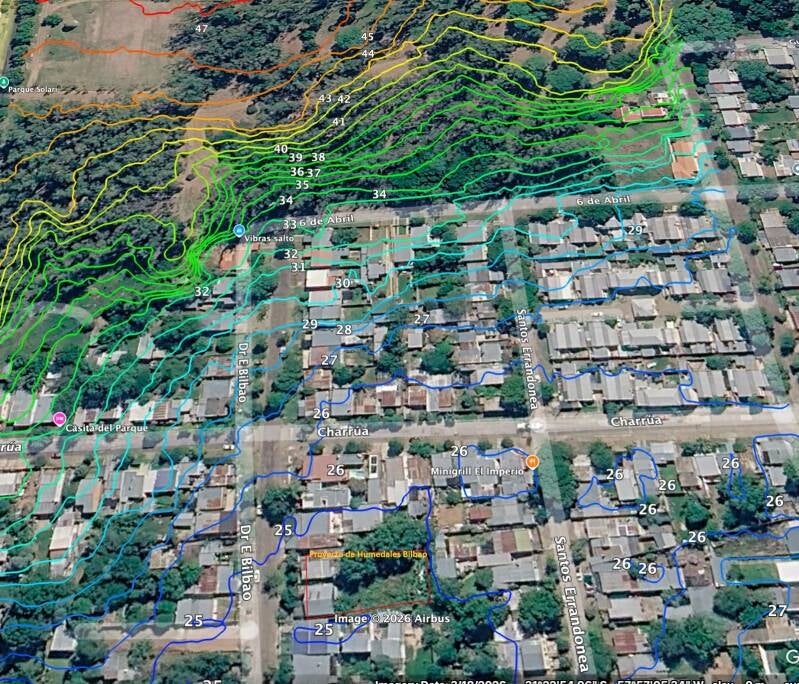
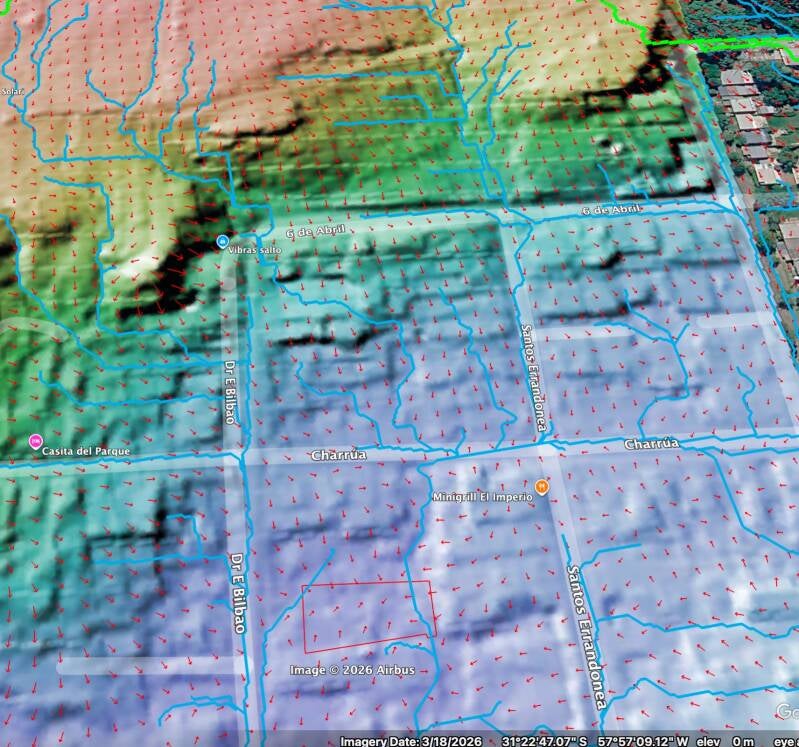
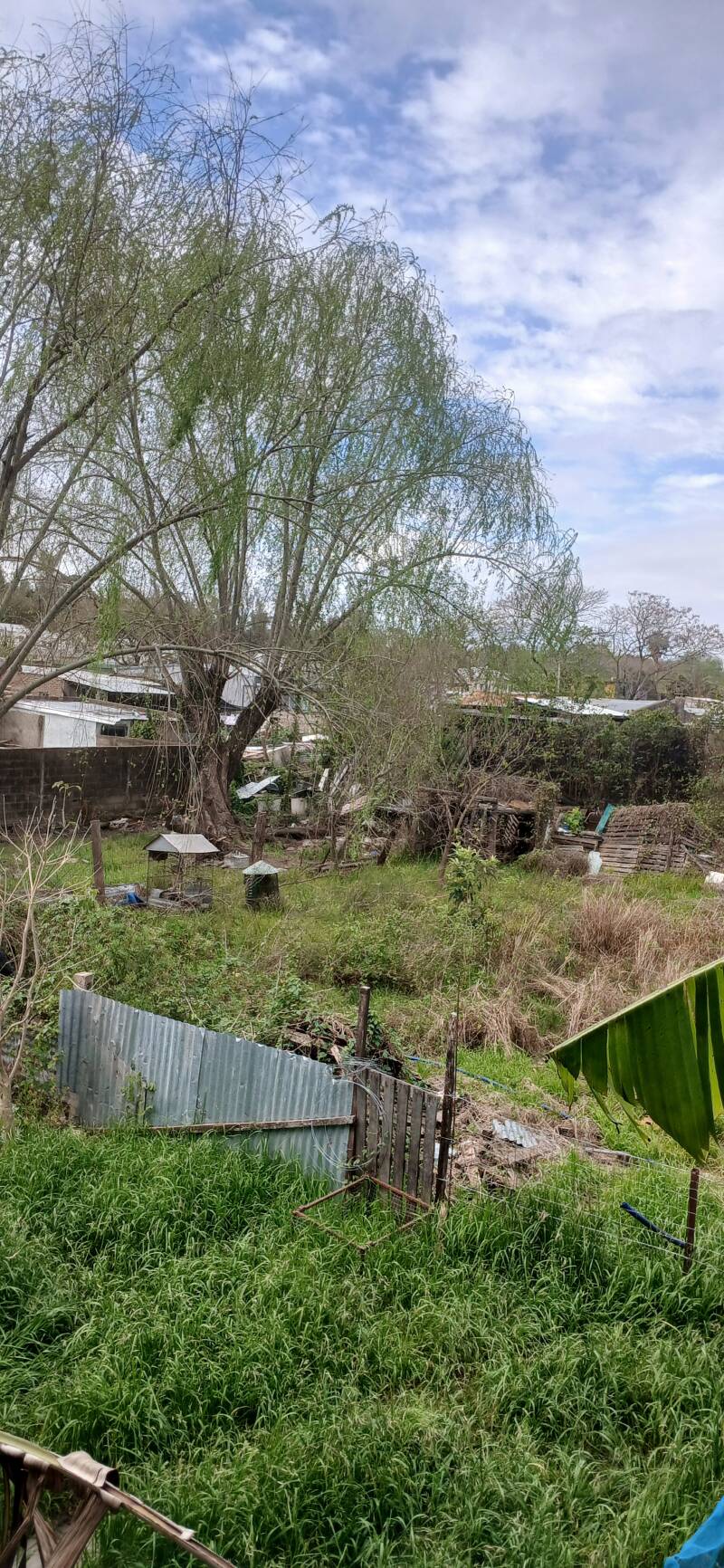
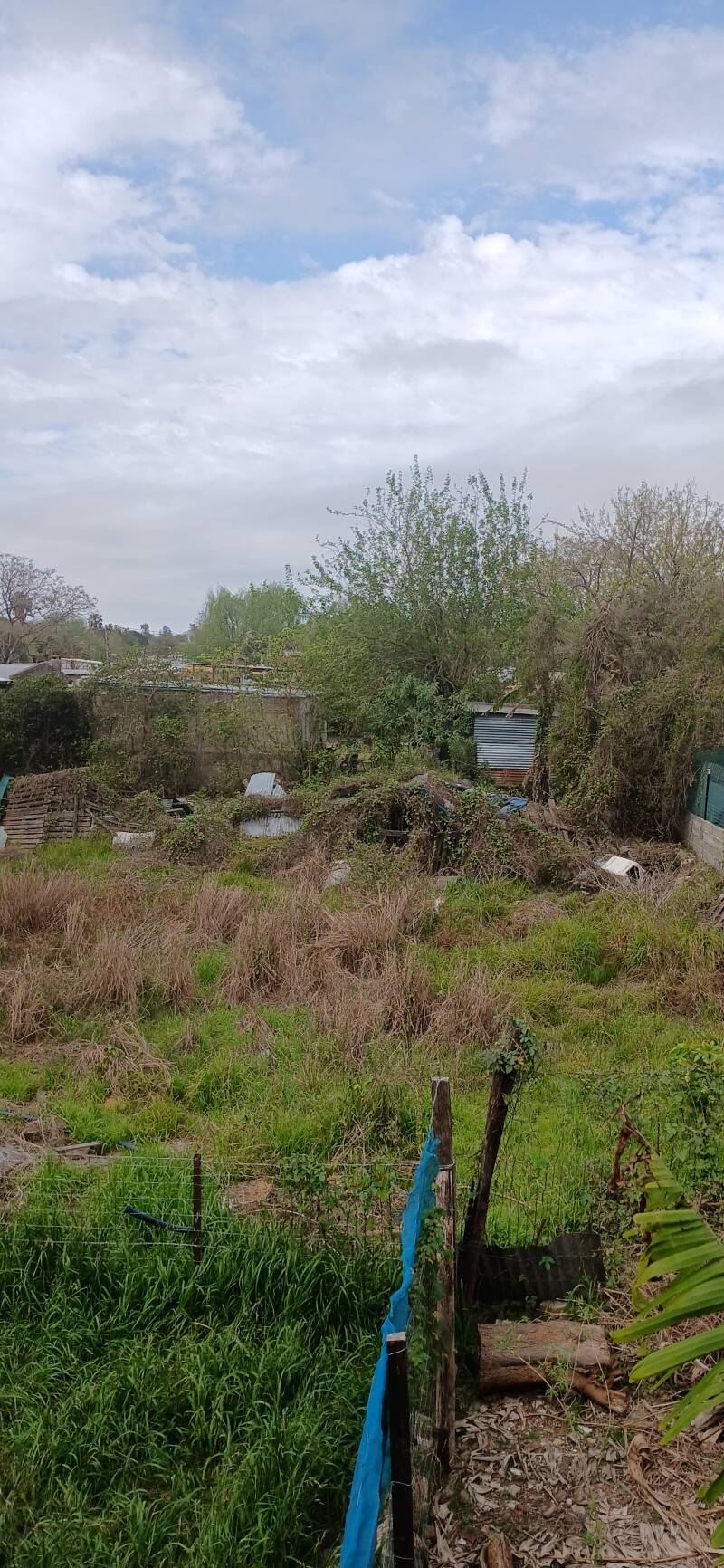
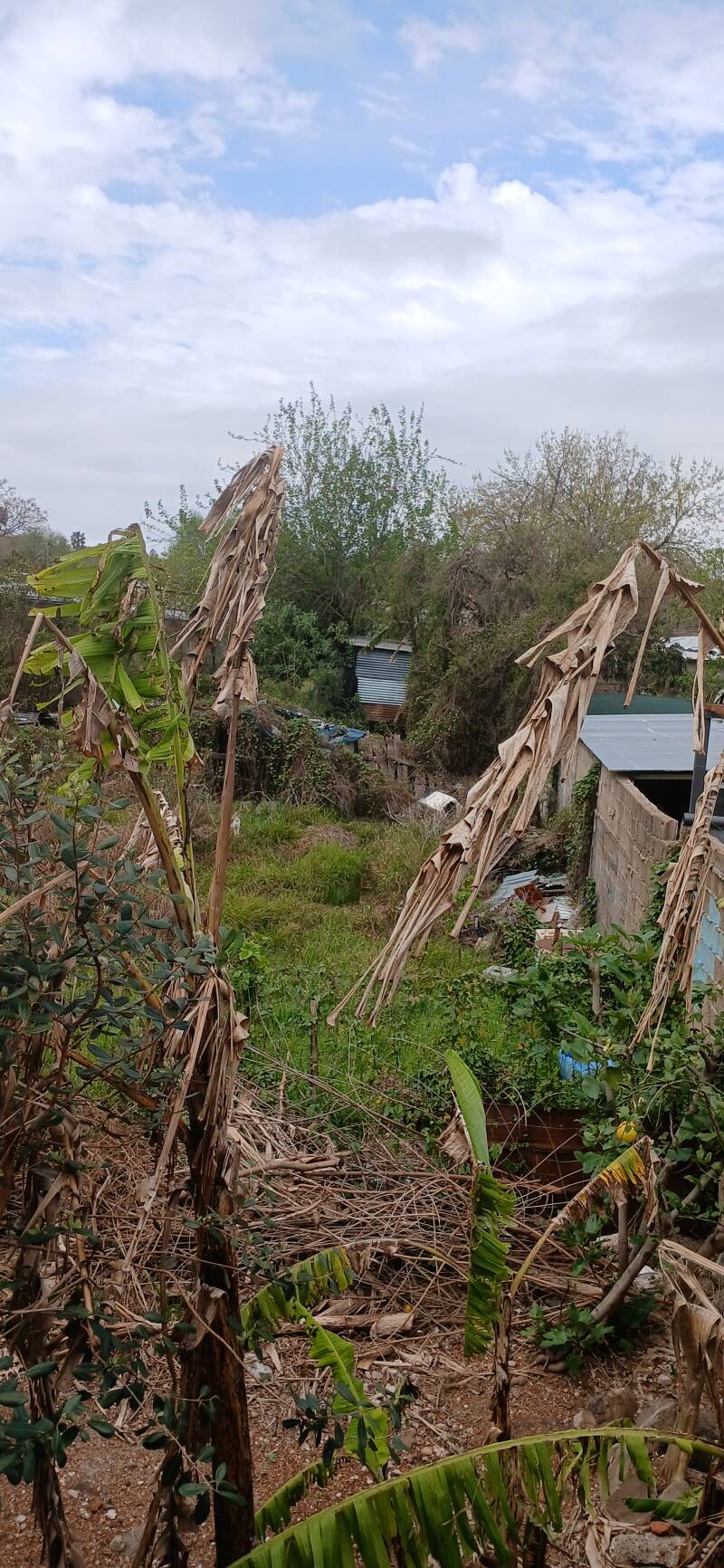
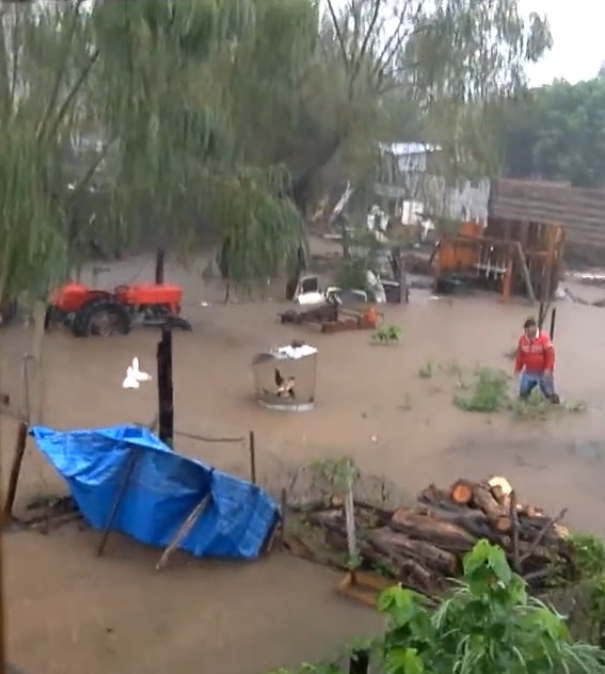
Photos and video of the lot between the sreets Bilbao, Charrua, Errondanea, and Diego Lamas. Photos were taken 11 September 2026 and the video was taken 8 May 2018.
Click Photo below for Video.
This is the Arroyo on Diego Lamas at Hector Gutierrez Ruiz streets, one block away frrom the Bilbao site. Photos and video at far right were taken 10 August 2026. Learn about the Sauzal.

Parque Benito Solari at Bilbao. Learn more about the park. See more photos in Facebook.